

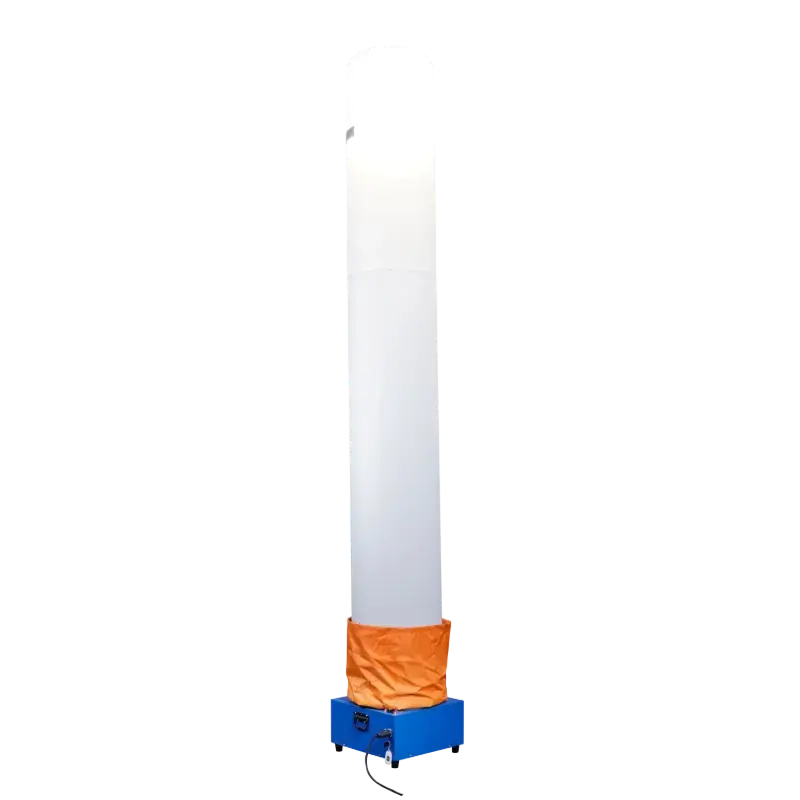
What Power Supply Factors Matter When Operating an Inflatable Light Tower?
Release time: 2026-10-15
Table of Contents
Reliable power is essential for keeping an inflatable light tower operating consistently at outdoor worksites, temporary construction areas, and other locations where fixed lighting is unavailable. The power source must match the lighting equipment, the expected operating hours, and the conditions at the installation site.
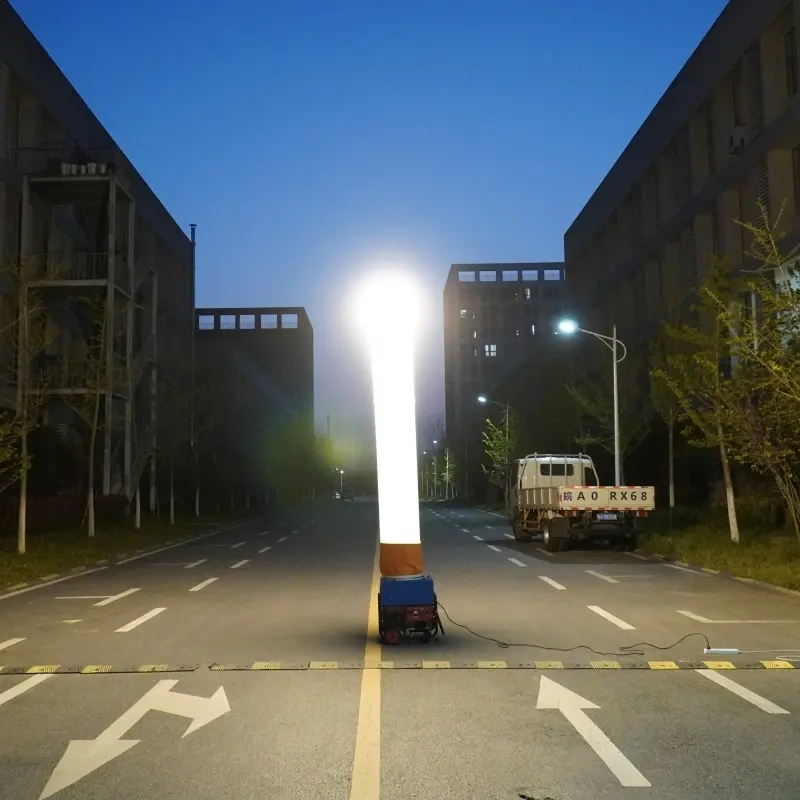
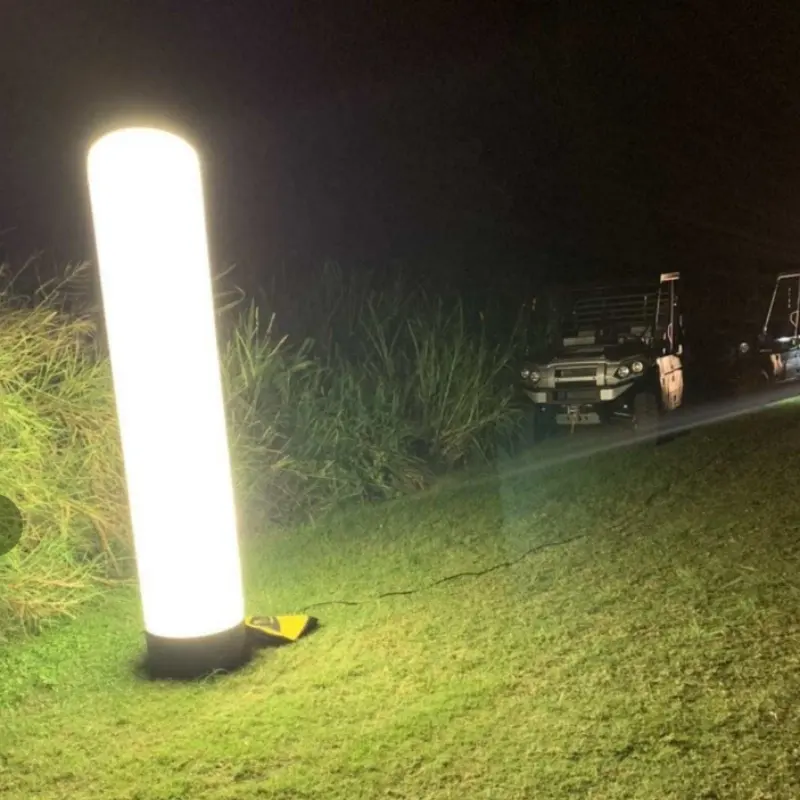
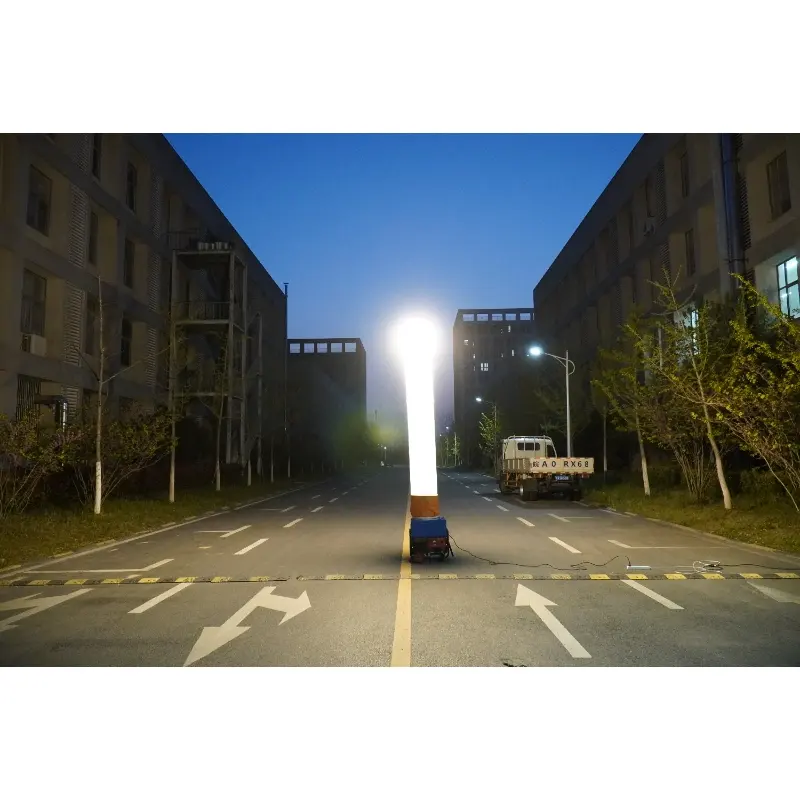
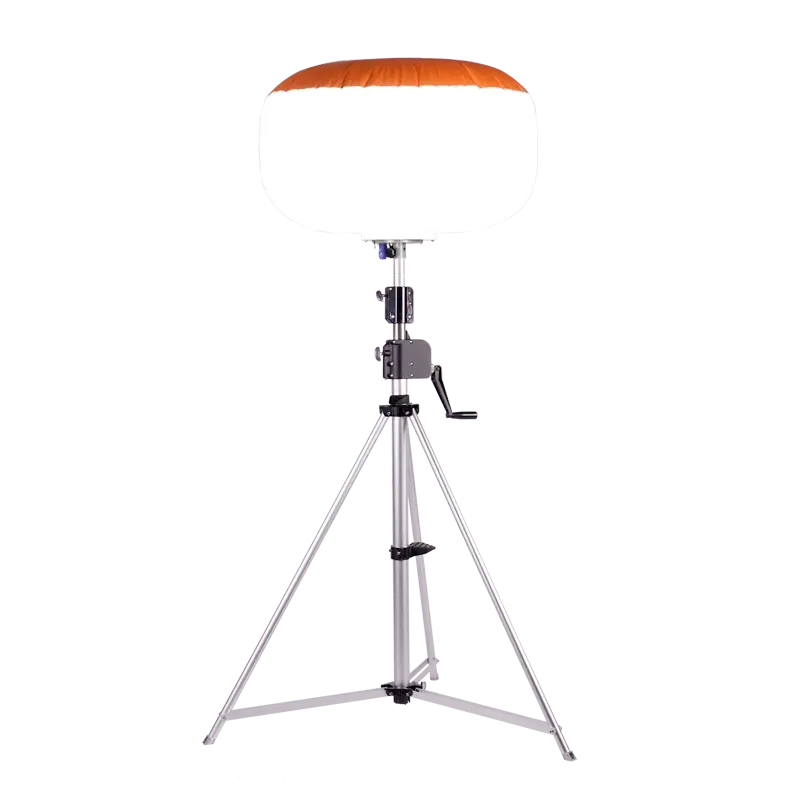
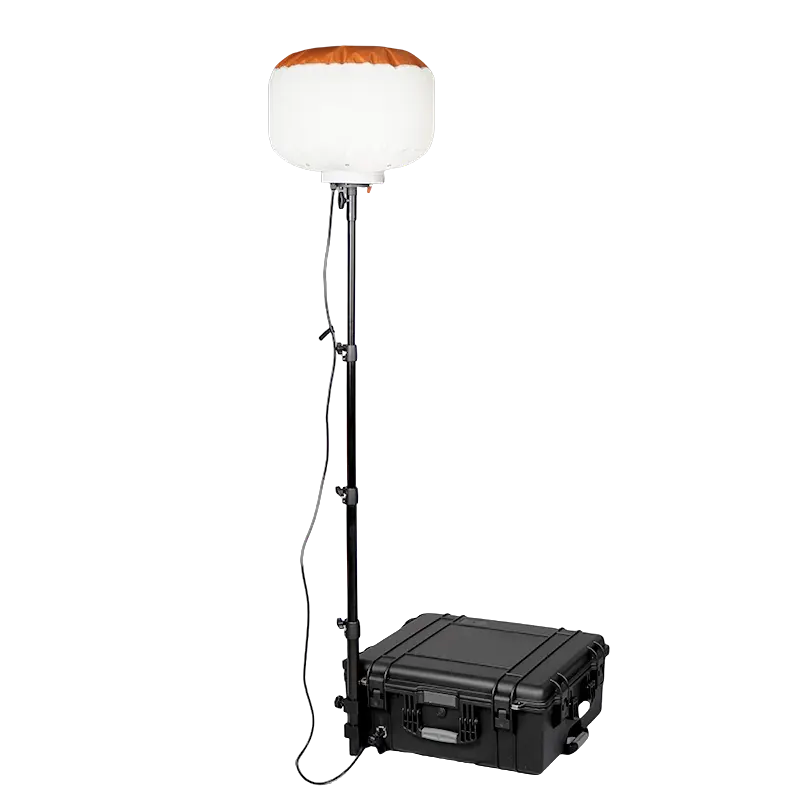
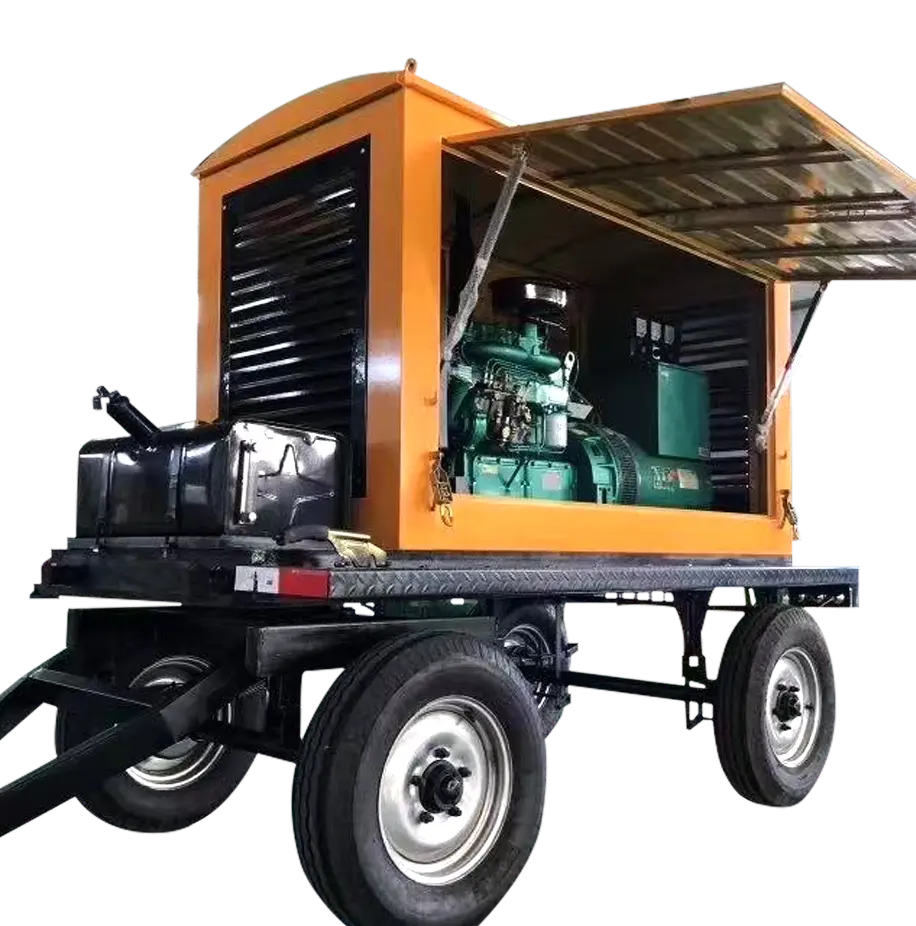
SHLEME develops and supplies lighting equipment for a range of outdoor and industrial applications. Its inflatable light tower product range includes portable outdoor LED tube lights, metal halide inflatable tube lights, and inflatable LED tube lights supplied with a generator. These options provide different configurations for buyers planning temporary lighting solutions.
1. Match the Power Supply to the Lighting Equipment
The first step is to confirm the electrical requirements of the selected light tower. Different light sources and product models may have different rated power, input voltage, and connection requirements. A power source that does not match the equipment can cause operating problems or prevent the light from working properly.
Before purchasing or deploying an inflatable light tower, check the following details:
- Rated power: Confirm the equipment’s power consumption and ensure the supply can support it.
- Input voltage: Match the available power source to the voltage specified for the product.
- Frequency and connection type: Check compatibility with the local electrical supply and the equipment’s connectors.
- Operating requirements: Review the manufacturer’s instructions for startup, continuous operation, and any additional electrical components.
These checks are especially important when moving equipment between worksites or using it in different countries. Electrical compatibility should be confirmed before the equipment is connected.
2. Choose a Suitable Power Source for the Worksite
The available power infrastructure often determines which lighting configuration is most practical. A site with a stable electrical connection has different requirements from a remote work area where no fixed power supply is available.
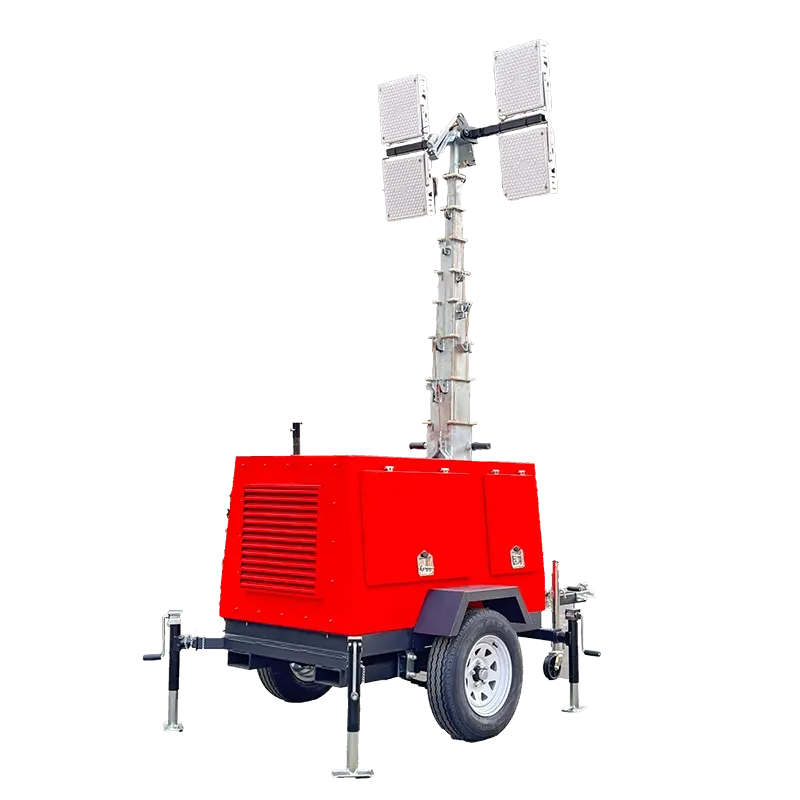
A portable lighting generator can be a practical option when grid power is unavailable or inconvenient to access. However, buyers should check the generator’s rated output, voltage, frequency, and continuous operating capacity before use. The generator must be suitable for the connected lighting equipment rather than selected by appearance or portability alone.
For temporary projects, consider these common power arrangements:
| Power arrangement | Key consideration | Suitable situation |
| Fixed AC power | Voltage compatibility and cable access | Sites with a reliable electrical connection |
| Portable generator | Output capacity, fuel supply, and ventilation | Remote sites or locations without grid power |
| Battery-based supply | Available capacity and charging arrangements | Applications requiring a compatible mobile power solution |
Not every inflatable LED light tower supports all these power options. Buyers should confirm the available configuration for the specific model before making a purchasing decision.
Inflatable Light Tower Product Options
Different inflatable light tower models may use different lighting technologies and power supply configurations. The following table summarizes three products listed in the SHLEME product category and highlights the main power considerations for each.
| Product | Lighting type | Power supply considerations |
| Portable Outdoor Inflatable LED Tube Light | LED | Confirm the rated power, input voltage, and compatible power source before use. |
| Inflatable Tube Light – Metal Halide | Metal halide | Check the model’s electrical requirements and ensure the power supply can support its operation. |
| Inflatable LED Lights Tube with Generator | LED with generator | Verify the generator’s output capacity, voltage, and continuous operating capability against the lighting equipment’s requirements. |
When comparing these products, buyers should not assume that all models share the same electrical specifications. Checking the product datasheet and confirming the supplied components with the manufacturer can help ensure that the selected configuration meets the site’s power requirements.
3. Estimate Power Consumption and Operating Time
The power supply must support the expected lighting duration. A unit used for a short maintenance task may have very different requirements from equipment operating throughout an overnight construction shift.
To estimate energy requirements, multiply the equipment’s rated power by the expected operating time.
For example, a 200 W light operating for eight hours would consume approximately 1.6 kWh of energy, assuming continuous operation at its rated power.
This calculation provides a starting point for evaluating energy needs. Actual consumption may vary with operating conditions and equipment settings. For generator-powered systems, buyers should also consider generator efficiency and the additional capacity needed for other connected equipment.
When evaluating an inflatable light tower, it is useful to establish the required daily operating hours before choosing the power supply. This helps prevent insufficient runtime, unnecessary fuel consumption, or an oversized power system.
4. Consider Startup Load and Power Stability
A power source must do more than supply enough energy over an entire shift. It must also provide suitable electrical output while the equipment starts and operates.
Depending on the design, connected electrical components may create a temporary startup demand. A generator or other supply with insufficient capacity may experience voltage fluctuations, overloads, or interruptions.
To reduce these risks, buyers should check the manufacturer’s electrical specifications and account for any startup requirements stated in the product documentation. If several devices will share one generator, their combined demand must also be considered.
For an inflatable LED light tower, stable power helps maintain consistent lighting during work. Electrical connections should be secure, and cables should be suitable for the site’s operating conditions. Any abnormal flickering, repeated shutdowns, or signs of overheating should be investigated before operation continues.
5. Check Cable Length and Outdoor Electrical Safety
Power arrangements must also suit the physical layout of the worksite. When the supply is located far from the lighting equipment, cable length, cable rating, and routing can affect the reliability and safety of the installation.
Long cable runs can introduce voltage drop, particularly when cables are undersized for the load. Selecting an appropriate cable and keeping connections in suitable condition helps reduce this risk.
For outdoor installations, pay attention to several practical details:
- Use cables and connectors rated for the intended electrical load and environment.
- Protect connections from moisture, dirt, impact, and accidental disconnection.
- Route cables away from vehicle paths, sharp edges, standing water, and pedestrian access points.
- Use suitable grounding and residual-current protection where required by local regulations and the equipment design.
- Follow the manufacturer’s instructions for generator placement, ventilation, and safe refuelling.
These precautions are particularly important on temporary sites, where equipment may be moved or exposed to changing weather. A suitable portable lighting generator must be paired with safe installation practices to provide dependable lighting.
6. Evaluate Power Requirements Before Bulk Purchasing
For contractors, equipment distributors, and project procurement teams, checking electrical requirements before placing a bulk order can help avoid compatibility problems and additional operating costs.
The evaluation should begin with the intended application. Determine whether the equipment will operate near a permanent power connection, rely on a generator, or require another manufacturer-approved configuration. Then compare the rated power, input requirements, expected operating hours, and available accessories for each model.
SHLEME’s inflatable light tower range includes LED and metal halide options, as well as a product listed with a generator. Buyers should confirm the specifications and supplied components of the selected model rather than assume that every product has the same power arrangement.
A practical procurement checklist includes:
| Evaluation item | What to confirm |
| Electrical compatibility | Rated power, voltage, frequency, and connection type |
| Operating duration | Required hours per shift and total daily use |
| Power source | Grid connection, generator, or supported alternative |
| Site conditions | Cable distance, weather exposure, and equipment placement |
| Maintenance | Access to consumables, connectors, and replacement components |
| Product configuration | Included accessories and model-specific requirements |
This process helps buyers compare equipment based on actual project needs instead of relying solely on the initial purchase price.
Conclusion
Choosing a suitable power supply involves more than matching wattage. Electrical compatibility, operating duration, startup demand, cable layout, and outdoor safety all affect the reliability of temporary lighting equipment. Evaluating these factors before installation can help reduce interruptions and make daily operations easier to manage.
With its range of portable lighting products, SHLEME provides options for buyers assessing different worksite requirements. By confirming the electrical specifications and available configurations of each inflatable light tower, customers can select a setup that fits their power conditions, operating schedule, and project demands.