


How to Evaluate Event Lighting Before Making a Purchase
Release time: 2026-09-04
Table of Contents
Choosing lighting for an event involves more than checking the price or choosing a product with a high light output. The equipment needs to fit the venue, provide the right level of illumination, and be easy for the event team to transport and set up. For companies that handle different types of events, flexibility and reliability also matter.
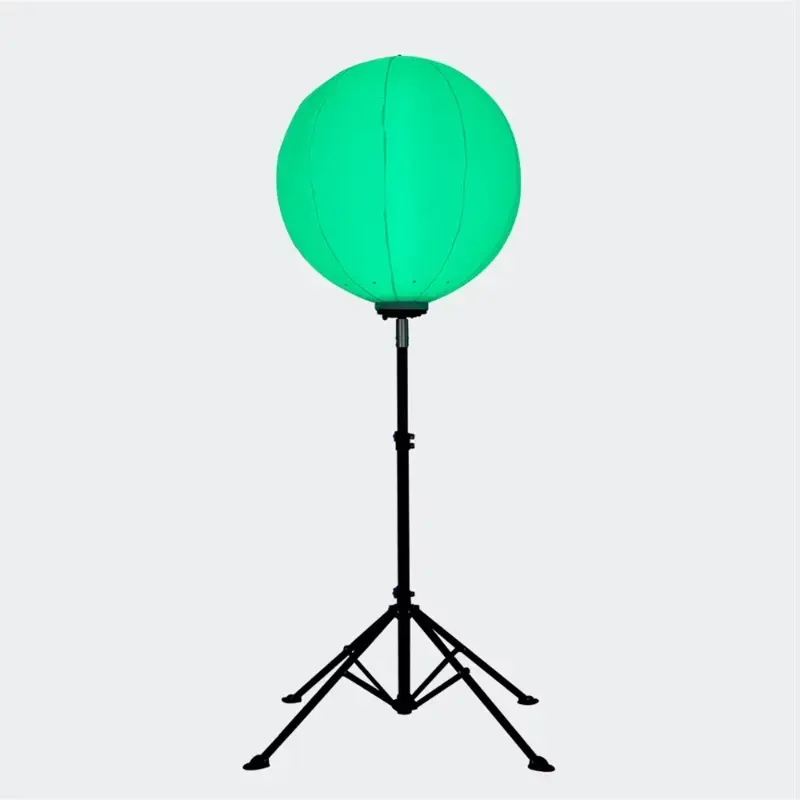
SHLEME Power Co., Ltd. offers several event lighting options for different lighting requirements. Its range includes event balloon light towers and star-shaped event lights, with RGB, RGBW, CCT, and neutral white configurations available.
Event Lighting Options at a Glance
| Product | Main Lighting Type | Key Feature | Suitable For |
| RGB CCT Series Event Balloon Light Tower | RGB + CCT | Adjustable colors and color temperature | Events requiring both functional and decorative lighting |
| PIXEL CCT Inflatable Event Balloon Light Tower | CCT | Flexible white-light adjustment | Events where color temperature control is important |
| PIXEL Neutral White Globes Event Balloon Light Tower | Neutral White | Consistent white illumination | General event and outdoor lighting |
| PIXEL RGBW Event Balloon Light Tower | RGBW | Color effects with white light | Events that need flexible atmosphere lighting |
| RGB CCT Star Event Balloon Light | RGB + CCT | Star-shaped design with adjustable lighting | Decorative event settings and visual displays |
These options show why it is useful to look beyond price when comparing event lighting equipment. Different configurations can serve very different purposes, so the right choice depends on how and where the equipment will be used.
Start With the Event Requirements
Before comparing lighting products, think about where and how they will be used.
A small indoor gathering does not have the same lighting requirements as an outdoor festival. A wedding may need softer light and adjustable colors, while an exhibition or corporate event may place more emphasis on clear, even illumination.
It helps to consider:
- The size of the venue
- Indoor or outdoor use
- The area that needs to be illuminated
- How long the lighting will be used
- The type of atmosphere required
- Available power sources
- How often the equipment will be transported
Having these details in mind makes it easier to compare different products without focusing only on appearance or price.
Check Brightness and Coverage
A bright light is not automatically a better light for every event.
What matters is whether the light can cover the required area comfortably and consistently. Uneven illumination can leave some areas too dark while making other areas unnecessarily bright. Glare can also become a problem when lights are positioned close to guests, performers, or photographers.
When comparing products, look at more than wattage. Check the light output, distribution, installation height, and the area one unit is expected to cover.
| What to Check | Why It Matters |
| Light output | Determines whether the lighting can meet the needs of the venue |
| Light distribution | Helps reduce dark or poorly lit areas |
| Installation height | Affects the coverage area |
| Glare | Important for guest comfort and photography |
| Light color | Influences both visibility and atmosphere |
Look at Color Temperature and Color Options
Many events need lighting that can do more than provide basic illumination.
Color temperature can change the appearance of a venue, while RGB lighting gives event teams more freedom when creating a particular mood or matching an event theme. For example, neutral or white light may be useful during presentations or general activities, while colored lighting can be introduced during performances or celebrations.
The Event Lighting range includes RGB CCT and RGBW configurations, as well as neutral white options. This gives buyers different ways to balance functional lighting with decorative effects.
When comparing products, check:
- Whether the color temperature can be adjusted
- What color options are available
- How the lighting is controlled
- Whether white and colored light can both be used
- How easily the lighting can be changed during an event
For companies working on different projects, this type of flexibility can be more useful than equipment designed for only one type of event.
Consider How Easy It Is to Transport and Set Up
Event lighting often has to travel.
Equipment may be loaded into a vehicle in the morning, installed at a venue during the afternoon, and packed away again after the event. If setup takes too long or requires too many people, labor costs can quickly add up.
Portable lighting should therefore be evaluated for:
- Weight and storage size
- Transportation requirements
- Assembly or inflation time
- Installation steps
- Required accessories
- Packing and dismantling
Inflatable event balloon light towers can be useful in situations where portability and quick deployment are important. The Event Lighting range includes several inflatable configurations, allowing buyers to select different lighting options according to their project requirements.
Don’t Ignore Outdoor Conditions
Outdoor events can be harder on lighting equipment than indoor venues.
Rain, moisture, wind, dust, temperature changes, and uneven ground can all affect the way equipment performs. If the lighting will be used outdoors regularly, check the product’s protection level and operating conditions before making a purchase.
The question should not simply be, “Can this light be used outdoors?”
A better question is whether it can handle the actual conditions expected at the event.
For occasional outdoor use, the requirements may be relatively simple. Equipment used repeatedly at festivals, public events, or outdoor exhibitions may need a higher level of protection and a more robust setup.
Check Reliability and Maintenance
A lighting problem during an event can be difficult to deal with. There may be no time to troubleshoot equipment or find a replacement, especially when the event is already underway.
Before ordering, check the product’s construction and maintenance requirements.
Useful points to check include:
- Expected LED service life
- Material quality
- Protection against moisture and dust
- Ease of maintenance
- Replacement parts
- Warranty terms
- Technical support
For rental companies and event production teams, these details are particularly important because the equipment may be used repeatedly rather than for a single project.
Compare Overall Value, Not Just the Price
Price is naturally part of the purchasing decision, but it should not be the only factor.
A lower-priced product may require more time to install, have fewer lighting options, or be less suitable for repeated outdoor use. A more flexible system, on the other hand, may be used across several types of events and provide better value over time.
A simple way to compare two options is to look at:
Purchase price + transportation + setup labor + maintenance + expected service life
The number of applications should also be considered. If one lighting system can be used for weddings, exhibitions, festivals, corporate events, and other occasions, it may offer more practical value than equipment designed for a single purpose.
Match the Equipment to Your Business
Different buyers will naturally have different priorities.
| Buyer | Main Concern | Features to Consider |
| Event planners | Fast setup and appearance | Portable design, adjustable colors |
| Wedding companies | Atmosphere and visual effects | RGB/CCT, soft illumination |
| Rental companies | Durability and versatility | Easy transport, flexible configurations |
| Festival organizers | Coverage and outdoor use | Wide illumination, reliable construction |
| Exhibition teams | Presentation and flexibility | Adjustable colors, clean light output |
| Venue operators | Long-term operation | Reliability, maintenance, service support |
Thinking about the equipment from a business perspective can prevent an expensive mistake. A product that works well for a wedding planner may not be the best option for a rental company handling dozens of events each year.
Questions to Ask the Supplier
Before placing an order, ask the supplier for the information that is most relevant to your application.
For example:
- How much area can one lighting unit cover?
- What brightness options are available?
- Can the color temperature be adjusted?
- What RGB or RGBW functions are supported?
- How long does setup normally take?
- Is the product designed for outdoor use?
- What accessories are included?
- Which certifications are available?
- Are replacement parts available?
- Can the configuration be customized for a specific project?
Clear answers to these questions make it easier to compare different professional event lighting products on an equal basis.
Conclusion
Good event lighting should fit the way an event is actually run. Brightness and coverage are important, but they are only part of the decision. Color control, portability, setup time, outdoor performance, durability, maintenance, and long-term value all deserve attention.
SHLEME’s range covers RGB CCT, CCT, neutral white, RGBW, and star-shaped event lighting configurations, giving buyers different options for projects with different requirements.
Taking time to check these details before purchasing can make the equipment easier to use, easier to manage, and more useful across future events.
FAQ
1. What is the most important factor when choosing Event Lighting?
There is no single factor that works for every event. Start with the venue, required coverage, brightness, color requirements, portability, and expected operating conditions.
2. Is RGB Event Lighting suitable for professional events?
Yes. RGB lighting can be useful when an event requires different colors or changes in atmosphere. It is especially practical for events where lighting forms part of the overall visual design.
3. What should I check when buying lighting for outdoor events?
Check the product’s outdoor suitability, protection level, stability, power requirements, and operating conditions. The expected weather and event environment should also be taken into account.
4. Is portable lighting important for event companies?
It can be. Event teams often move equipment between venues, so lighter equipment, easier setup, and simpler storage can reduce transportation and labor requirements.
5. How should I compare two Event Lighting products?
Compare their brightness, coverage, color options, portability, setup requirements, outdoor performance, durability, maintenance, and total operating cost rather than looking only at the purchase price.

