

How to Choose an Event Balloon Light Tower Based on Coverage Area?
Release time: 2026-10-02
Table of Contents
Choosing outdoor event lighting is not simply a matter of selecting the brightest light. The size and layout of the venue, the type of event, the required lighting effect, and the number of illuminated areas all affect the final choice. A suitable event balloon light tower should provide sufficient illumination for the target area while remaining easy to position, operate, and move when necessary.
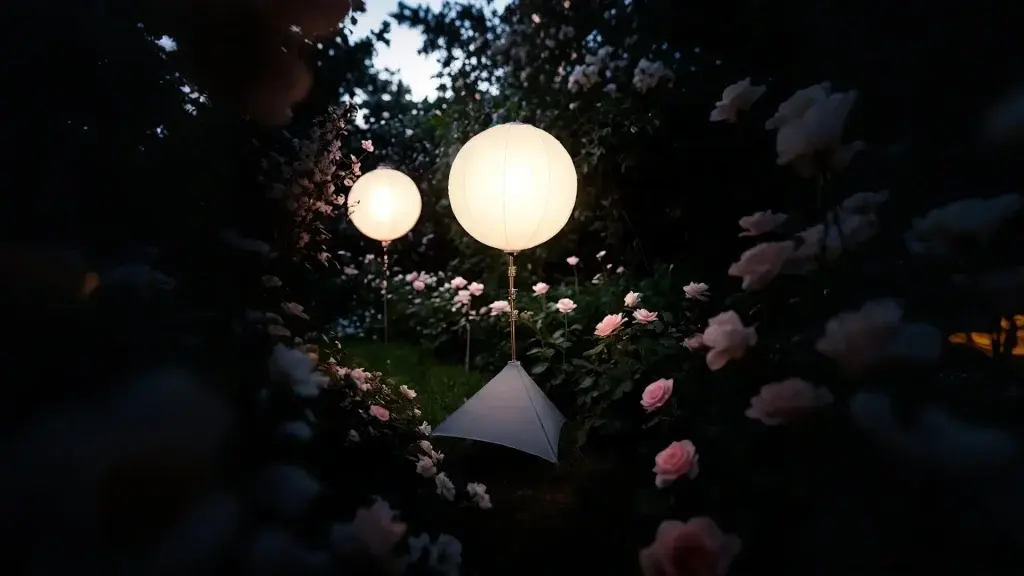
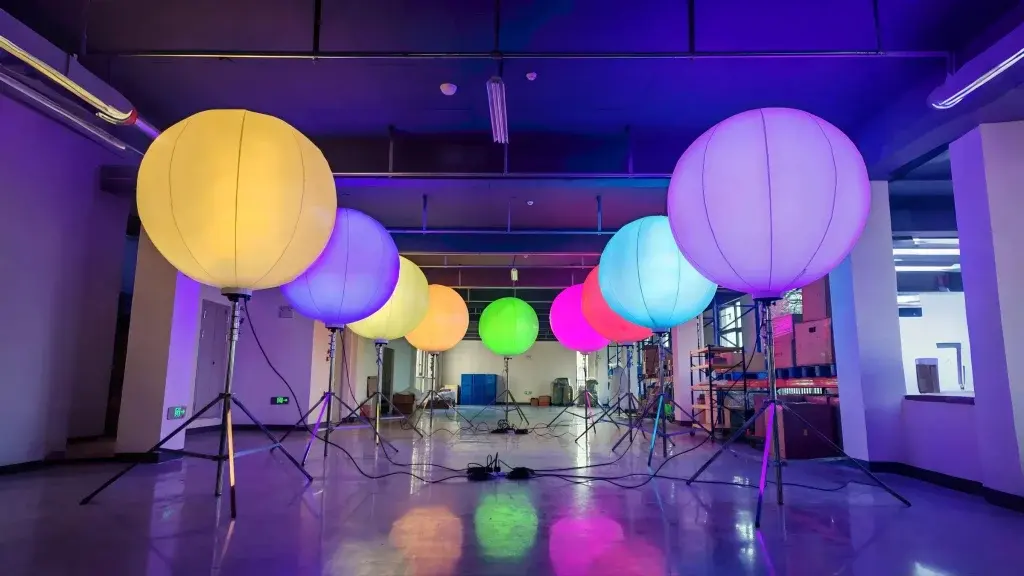
With different lighting configurations available, including RGB CCT, PIXEL CCT, Neutral White, and RGBW models, SHLEME offers flexible solutions for different outdoor event requirements. Understanding how coverage area affects model selection can help event organizers choose the right equipment without using more lighting units than necessary.
Why Coverage Area Should Be the Starting Point
The first step in choosing an event balloon light tower is to determine how much area needs to be illuminated. A small outdoor gathering, wedding reception, or temporary activity area has very different lighting requirements from a festival, exhibition, construction-related event, or large commercial activity.
The venue should be divided into practical lighting zones, such as:
- Main stage or performance area
- Guest seating and dining areas
- Exhibition or display areas
- Entrances and walkways
- Temporary activity zones
- Parking and service areas
Once these areas are identified, it becomes easier to determine where lighting is actually needed and how many towers may be required.
Match the Event Area With the Right Light Distribution
Coverage is not determined only by the physical size of a venue. The shape of the area and the distribution of people and activities are also important.
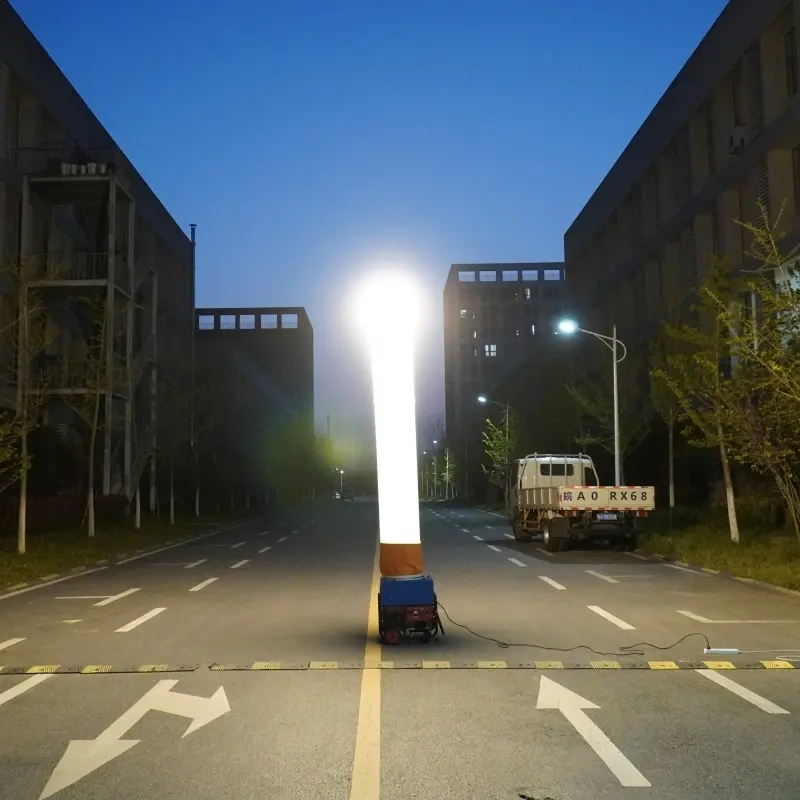
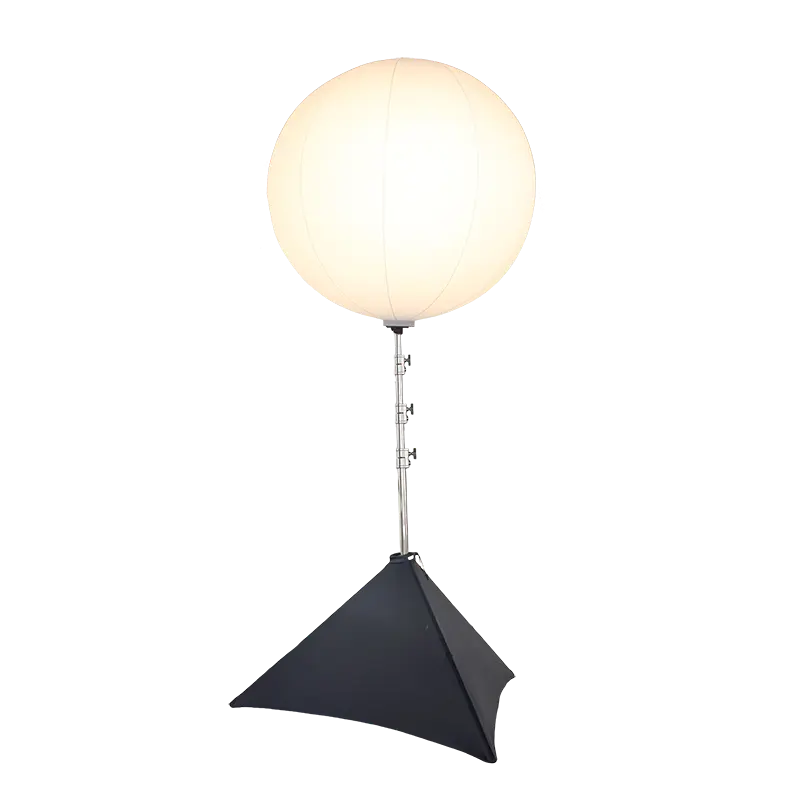
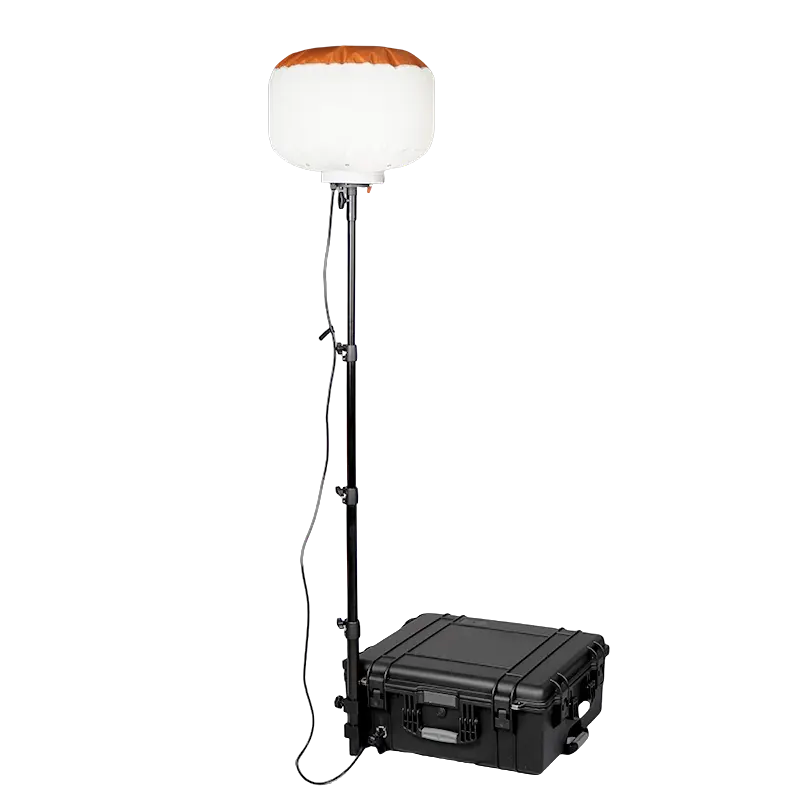
A balloon-style light source is designed to provide broad and diffused illumination rather than concentrating all the light into a narrow beam. This makes a balloon light tower suitable for outdoor events where a larger area needs comfortable and relatively even illumination.
For a compact area, one properly positioned tower may be sufficient. For larger or irregular venues, several towers can be distributed around the site to reduce dark areas and improve overall lighting consistency.
The goal is not simply to increase the number of lights. Instead, each tower should be positioned according to the actual layout and lighting requirements of the event.
Choose the Lighting Configuration According to the Event
After determining the coverage area, the next step is to consider what kind of lighting the event requires. Different events may need functional illumination, decorative lighting, or a combination of both.
SHLEME provides several Event Balloon Light Tower configurations, including RGB CCT, PIXEL CCT, Neutral White, and RGBW options.
Neutral White
Neutral White models are suitable when the main purpose is practical illumination. They can be used around entrances, walkways, seating areas, temporary work zones, and other locations where clear and comfortable visibility is more important than changing colors.
For larger venues, several towers can be positioned throughout the area to maintain consistent functional lighting.
RGB CCT
RGB CCT models provide greater flexibility when both illumination and atmosphere are important. They can be used for weddings, parties, exhibitions, outdoor gatherings, and other events where the lighting needs to match the overall visual environment.
This type of lighting allows organizers to create a more distinctive atmosphere while still providing useful illumination for the event area.
RGBW
RGBW models are suitable for events that place greater emphasis on color effects and visual presentation. They can help distinguish different activity zones, create a stronger atmosphere around a stage or main event area, and support event branding or themed lighting designs.
When the venue is large, multiple RGBW towers can be positioned around the main activity area to create a more consistent visual effect.
PIXEL CCT
PIXEL CCT models are suitable for events where dynamic lighting effects are an important part of the experience. They can be considered for festivals, stage activities, promotional events, and other occasions where lighting contributes directly to the visual presentation.
The appropriate configuration should therefore be selected according to the function of the area, rather than simply the total venue size.
How Many Towers Are Needed for a Larger Area?
There is no universal number of towers for a specific venue size because actual requirements depend on the layout, obstacles, desired brightness, and purpose of each area.
For a small and relatively open area, one tower may provide sufficient coverage when it is placed effectively. A larger venue may require multiple units so that the entire activity area remains adequately illuminated.
For example, an outdoor stage surrounded by audience seating may require several towers around the perimeter rather than one light positioned directly beside the stage. This helps reduce poorly lit areas farther away from the main light source.
Long, narrow, or irregularly shaped venues may also require additional units because a single tower may not distribute light effectively across the entire space.
Therefore, the number of towers should be determined after considering both coverage area and venue layout.
Consider Tower Position and Height
Even a suitable lighting unit may not perform effectively if it is placed in the wrong position.
When planning an event lighting layout, consider:
- Distance between lighting towers
- Height of the light source
- Obstacles such as tents, stages, vehicles, or temporary structures
- Pedestrian and audience locations
- Areas requiring stronger illumination
- Potential dark zones between lighting points
A tower positioned too close to one activity area may leave another part of the venue poorly illuminated. On the other hand, placing towers too far apart can create gaps in lighting coverage.
Portable lighting equipment provides an additional advantage because the towers can be repositioned when the event layout changes. This is particularly useful for temporary outdoor events where seating, stages, booths, or activity zones may be rearranged.
Use Different Configurations for Different Event Zones
A large event does not necessarily need the same lighting configuration everywhere.
For example, an outdoor event could use Neutral White lighting around entrances and walkways, RGBW lighting around the main activity area, and RGB CCT lighting in guest or entertainment areas.
This approach allows organizers to match the lighting function with each zone:
- Entrance and walkway areas: functional illumination
- Main activity areas: stronger visual effects
- Guest areas: comfortable and atmospheric lighting
- Service or temporary work areas: practical illumination
Using different configurations can make the overall lighting plan more efficient and prevent decorative lighting from being used where simple functional lighting would be sufficient.
Why Balloon Lighting Works Well for Outdoor Events
Outdoor events often have changing layouts and limited options for installing permanent lighting equipment. Traditional fixed lighting may require additional structures, cables, or installation work.
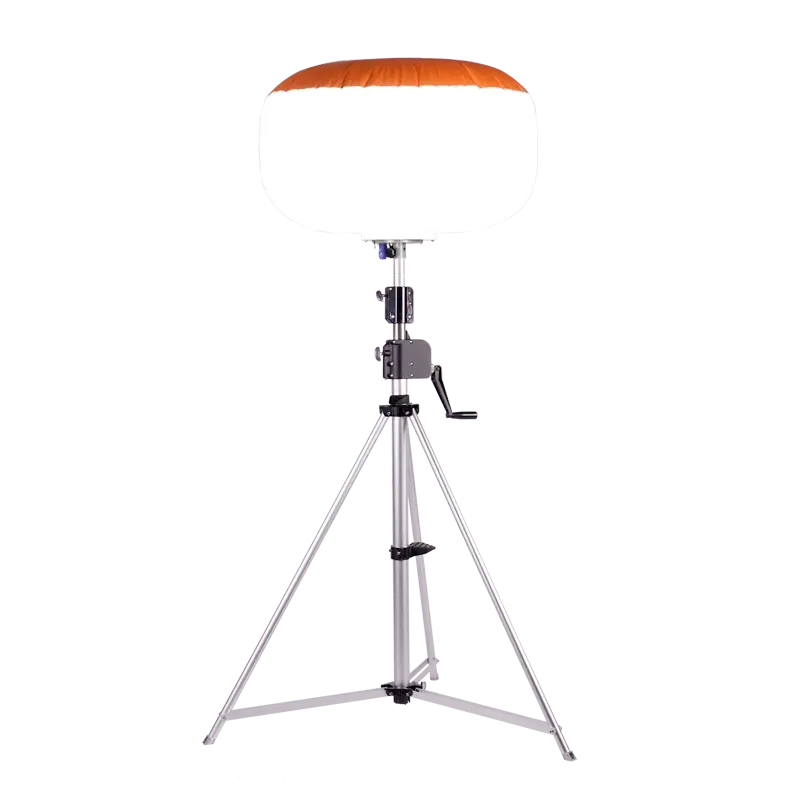
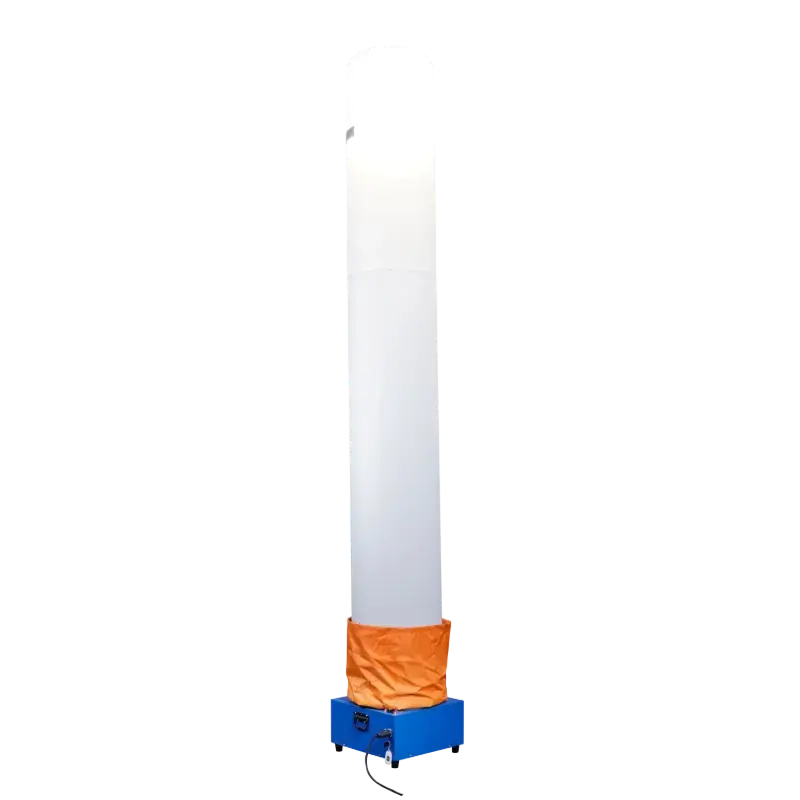
A balloon light tower combines the light source with a portable tower structure, making it easier to position around temporary event spaces.
The diffused balloon design can provide broad illumination, while the elevated position of the light source helps distribute light across the surrounding area. This makes balloon lighting useful for events where portability, flexibility, and wide-area illumination are important.
For organizers who frequently work with different venues, the ability to move and reposition lighting equipment can also simplify event setup and adjustment.
Plan Power Supply Along With Coverage Area
Coverage planning should also be considered together with power requirements.
When several towers are used, the total power demand and operating requirements increase. Event organizers should therefore consider the available power supply at the venue before finalizing the lighting layout.
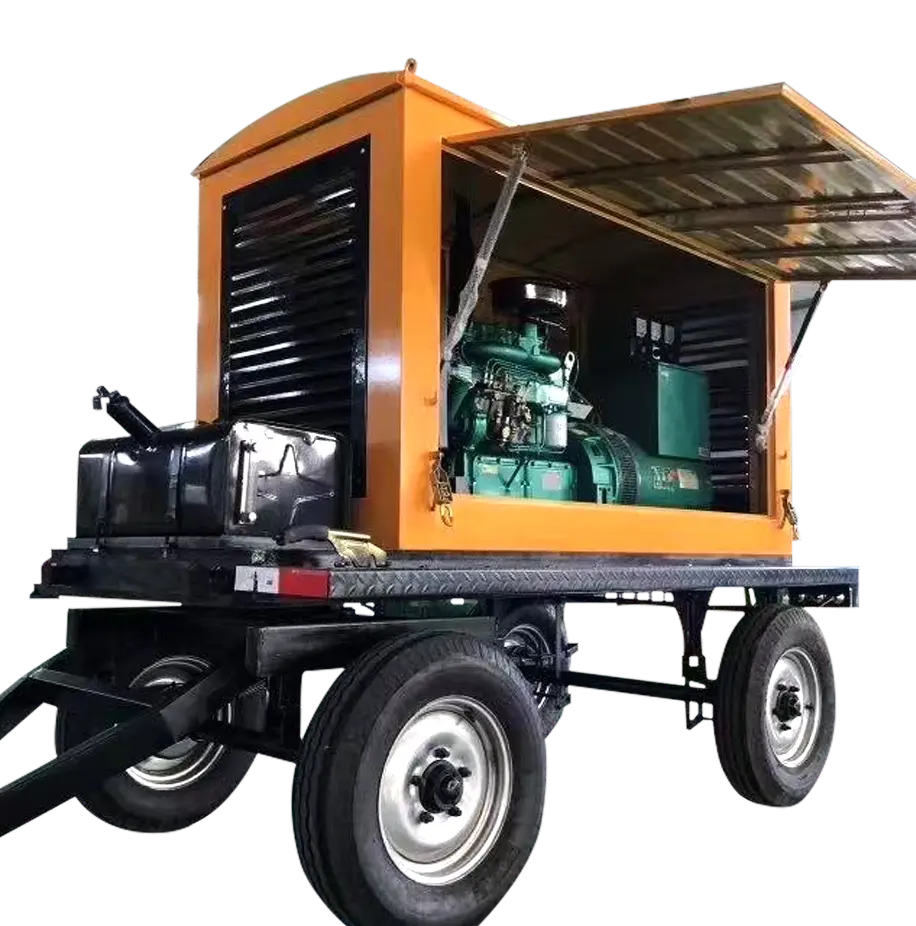
For temporary outdoor events, power availability may vary depending on whether the venue has access to a stable electrical supply or requires a portable power solution.
Planning the lighting layout and power supply together can help prevent operational problems during the event and ensure that all required lighting areas can be supported.
A Simple Selection Process
A practical way to select an event balloon light tower is to follow these steps:
Step 1: Define the total area that requires lighting.
Step 2: Divide the venue into different functional zones.
Step 3: Identify the purpose of each zone, such as functional lighting, decorative lighting, or stage lighting.
Step 4: Select the appropriate configuration, such as Neutral White, RGB CCT, RGBW, or PIXEL CCT.
Step 5: Determine the approximate number of towers required based on the venue layout.
Step 6: Plan the position and spacing of each tower to minimize dark areas.
Step 7: Check the power supply and operating requirements before the event.
Why Choose SHLEME for Event Balloon Light Tower Solutions?
SHLEME focuses on portable LED lighting solutions and provides different configurations for outdoor events with different lighting requirements.
Its event lighting range includes RGB CCT, PIXEL CCT, Neutral White, and RGBW Event Balloon Light Tower options. This allows users to select a configuration according to whether the priority is practical illumination, color flexibility, visual effects, or a combination of these functions.
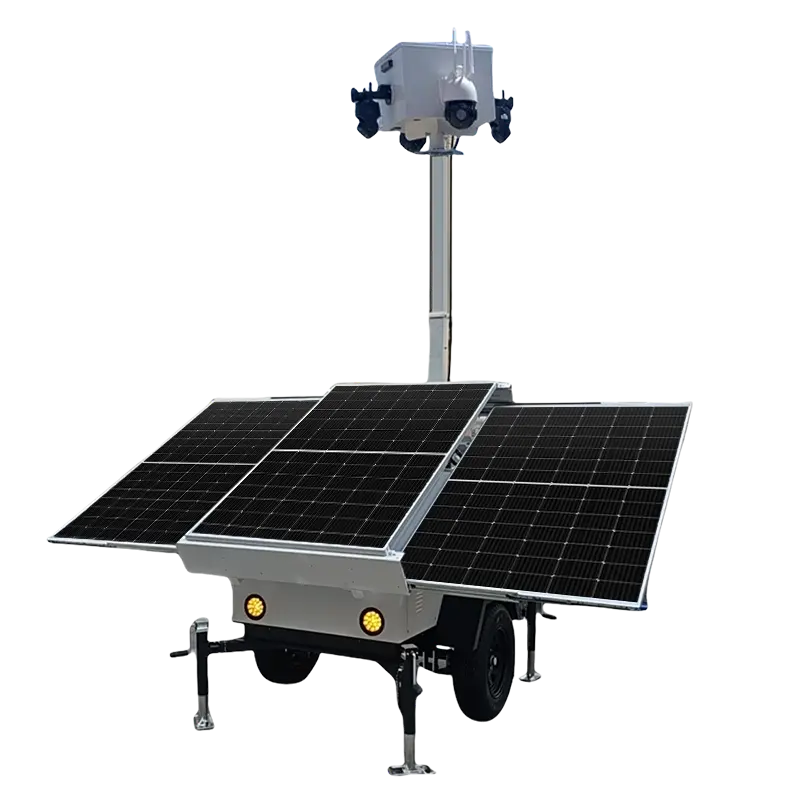
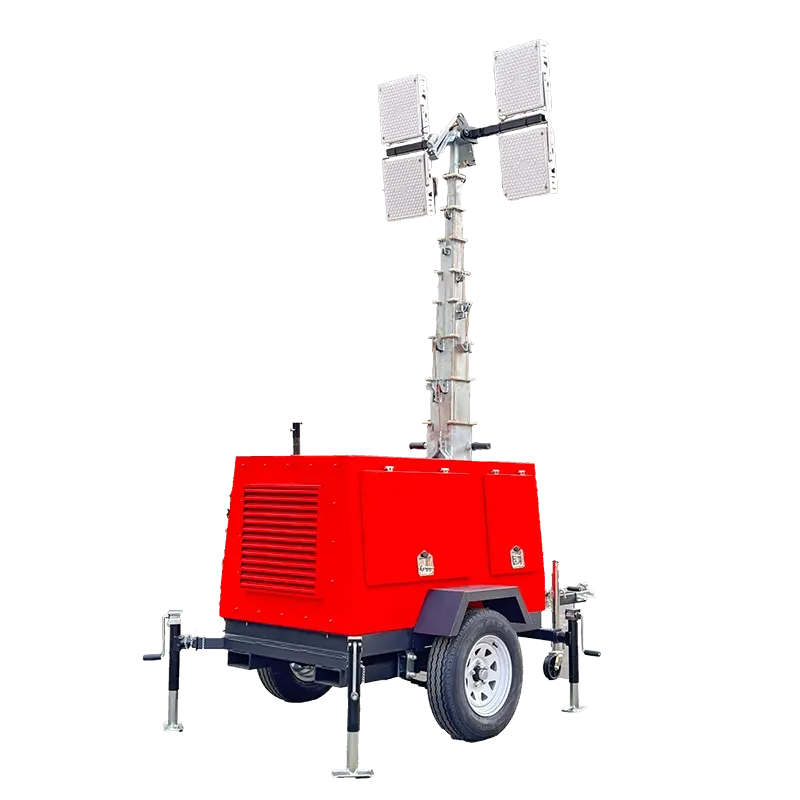
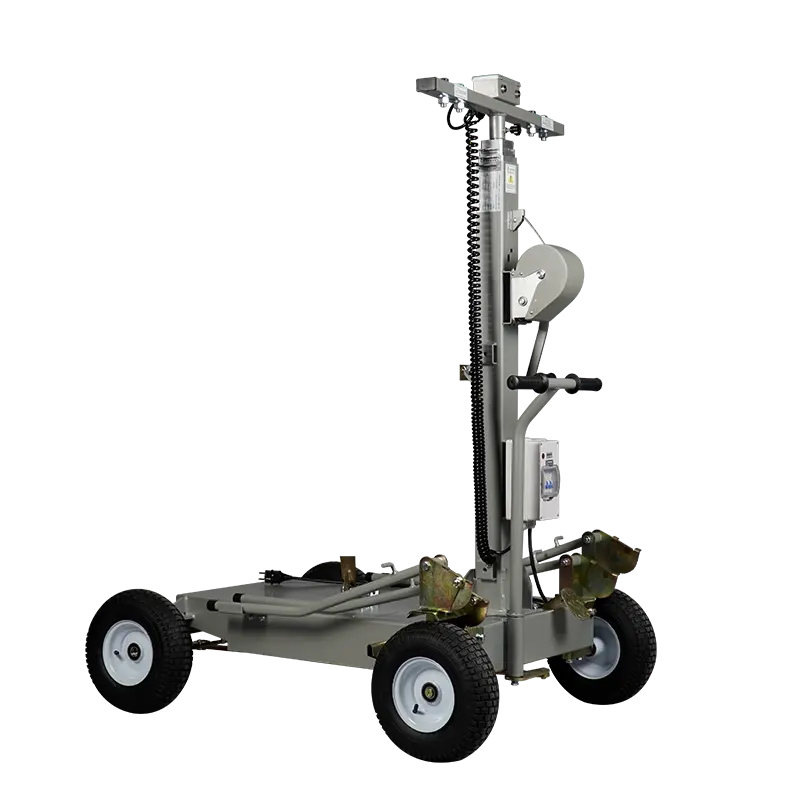
With more than 20 years of experience in portable LED lighting and OEM/ODM capabilities, SHLEME also provides products such as LED balloon lights, mobile light towers, trailer light towers, and other portable lighting solutions.
For event organizers, this range of options makes it easier to build a lighting plan around the actual venue rather than relying on one fixed lighting configuration.
Frequently Asked Questions
1.What factors should I consider when choosing an Event Balloon Light Tower?
The main factors include the coverage area, venue layout, event type, required lighting effect, tower position, number of units, and available power supply. The lighting configuration should also match the purpose of each event area.
2.How many balloon light towers do I need for an outdoor event?
The required number depends on the size and shape of the venue, the desired lighting level, and how the activity areas are distributed. A small open area may only need one tower, while a large or irregular venue may require several units.
3.What type of event lighting is suitable for weddings and parties?
RGB CCT and RGBW configurations can be suitable for weddings and parties where both illumination and atmosphere are important. The choice depends on the desired color effects and overall event design.
4.Can an Event Balloon Light Tower be used for large outdoor events?
Yes. Multiple towers can be positioned around a larger venue to provide wider coverage. The exact number and placement should be determined according to the venue layout, activity zones, and lighting requirements.
5.What is the difference between Neutral White and RGB Event Balloon Light Tower models?
Neutral White models are mainly intended for practical and comfortable illumination, while RGB configurations provide additional color options for creating atmosphere and visual effects. The better choice depends on the purpose of the event area.
6.Can balloon light towers be repositioned during an event?
Portable balloon light towers can generally be repositioned according to the event layout and changing lighting requirements. This is one of the advantages of portable event lighting compared with fixed lighting systems.
7.Can SHLEME provide customized event lighting solutions?
SHLEME offers different portable LED lighting configurations and OEM/ODM capabilities. For projects with specific requirements, customers can discuss the required lighting configuration and application with the supplier.
Final Thoughts
Choosing the right event balloon light tower should not be based on venue size alone. Coverage area, venue layout, event purpose, tower position, lighting configuration, and power requirements all influence the final selection.
For smaller areas, one strategically positioned tower may be enough. Larger or irregular venues may require multiple units to provide more consistent coverage. At the same time, choosing the right configuration—such as Neutral White, RGB CCT, RGBW, or PIXEL CCT—can help match the lighting to the specific needs of each event zone.
By planning the coverage area first and then selecting the appropriate balloon light tower configuration and quantity, event organizers can create a more practical and efficient event lighting solution without using unnecessary equipment.