

Cómo proteger los sitios de trabajo remotos antes de que se conecten a la red
Hora de lanzamiento: 09/01/2026
Tabla de contenido
En el ciclo de vida de un proyecto de construcción, la fase más vulnerable suele ser el “primer día”.
La maquinaria pesada ya ha llegado. Las excavadoras, topadoras y motoniveladoras están estacionadas en el suelo. El perímetro es solo una valla temporal (si acaso). Y, lo más importante, no hay electricidad ni conexión a internet.
En proyectos de infraestructura (construcción de carreteras, oleoductos, parques eólicos o nuevos desarrollos inmobiliarios), esta "brecha de infraestructura" puede durar meses. Se le encomienda proteger millones de dólares en hierro y materiales en medio de la nada, a menudo a kilómetros del poste de electricidad más cercano.
Las empresas de seguridad tradicionales podrían recomendarle contratar un guardia o esperar hasta que se conecte la electricidad. Pero la construcción moderna no espera. Así es como los gerentes de proyectos con visión de futuro están protegiendo sitios sin conexión a la red eléctrica mediante tecnología autónoma.
El desafío del sitio “Greenfield”
Los sitios remotos y no remotos presentan una paradoja de seguridad única: a menudo son los más difíciles de proteger, pero albergan los activos más costosos.
Sin infraestructura: Los sistemas de CCTV estándar requieren la excavación de zanjas para los cables de alimentación y datos. En un terreno en constante cambio o que aún no ha sido nivelado, la excavación de zanjas es imposible.
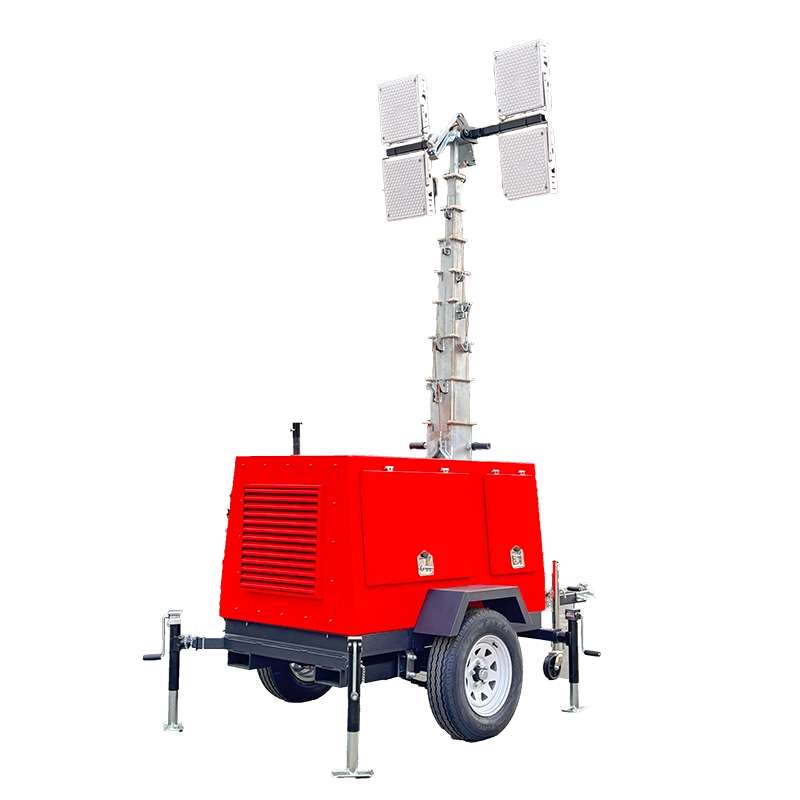
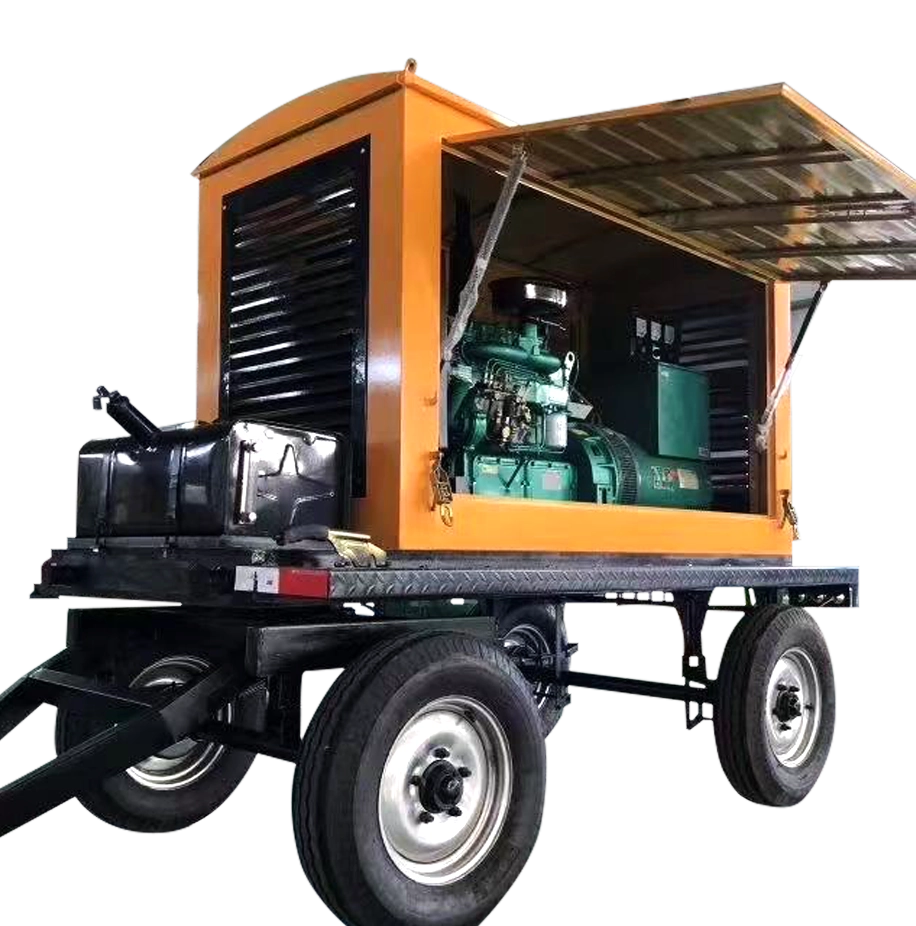
La “trampa del generador”: Algunos administradores de obra recurren a generadores diésel para alimentar las torres de iluminación y seguridad. Sin embargo, estos generadores requieren recarga diaria, son ruidosos (incumplen las ordenanzas de ruido cerca de zonas residenciales) y producen emisiones que perjudican la calificación ambiental de su proyecto. Además, si el generador falla o se queda sin combustible a las 2:00 a. m., su seguridad también se ve afectada.
Respuesta policial lenta: Si su sitio está a 32 kilómetros de la ciudad, una alarma estándar no es suficiente. Para cuando llega la policía, los ladrones ya se han ido. Necesita un sistema que disuada, no solo detecte.
La era de la seguridad "configúralo y olvídate"
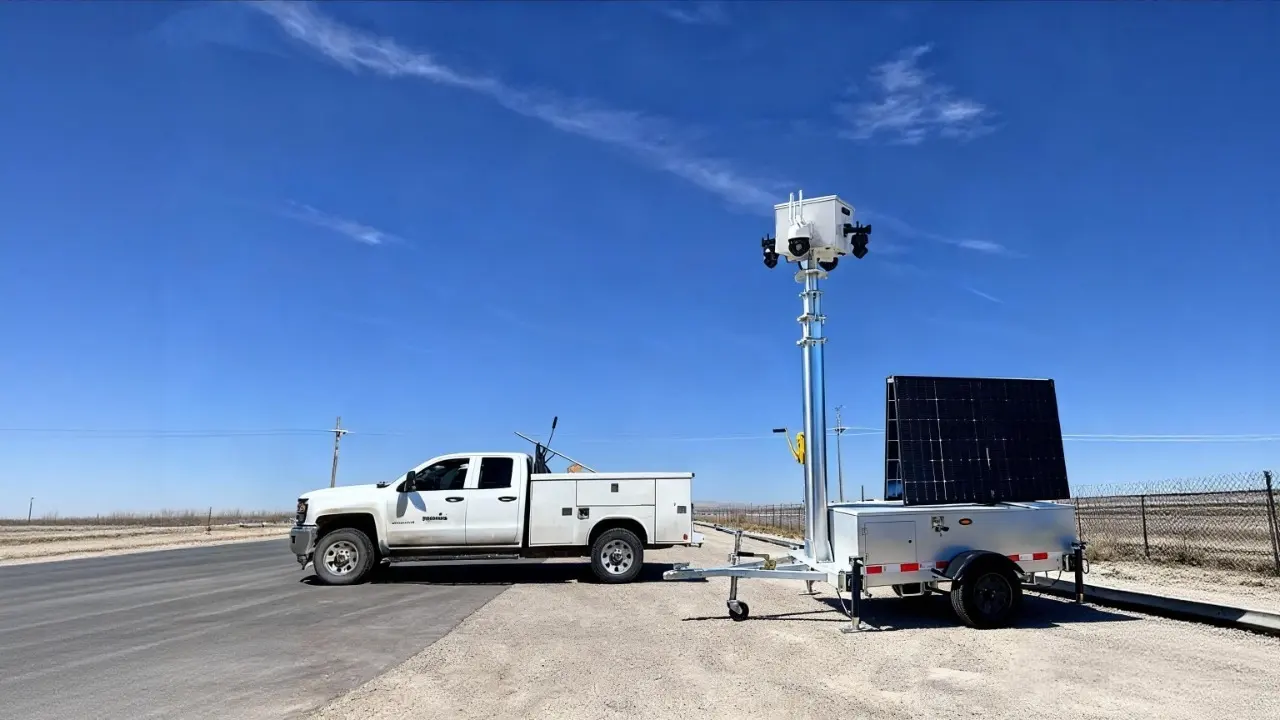
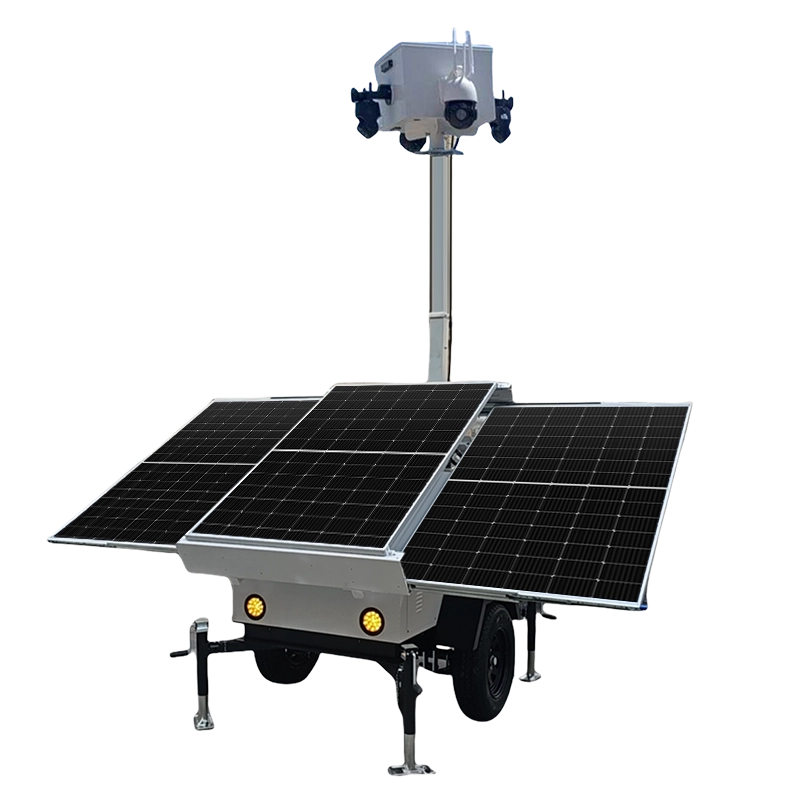
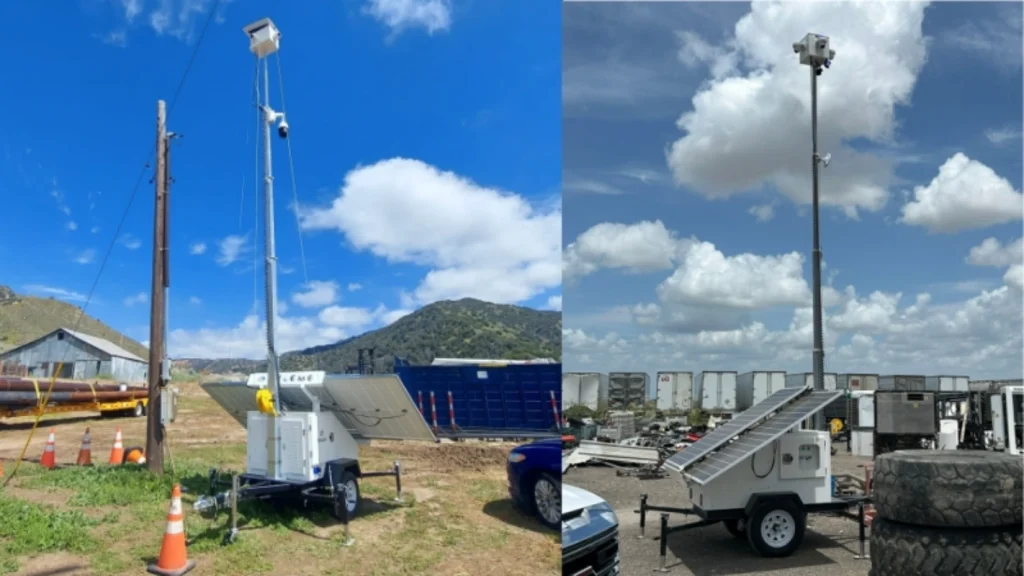
La solución a la brecha de infraestructura está en Remolques móviles de vigilancia solarEstas unidades han evolucionado desde simples "cámaras en un dispositivo" hasta sofisticados centros de seguridad autónomos que incorporan su propia energía e internet.
Para proyectos remotos, estos remolques no son sólo dispositivos de seguridad; son una infraestructura esencial del sitio.
Cómo los remolques solares Shleme ayudan a reducir la brecha
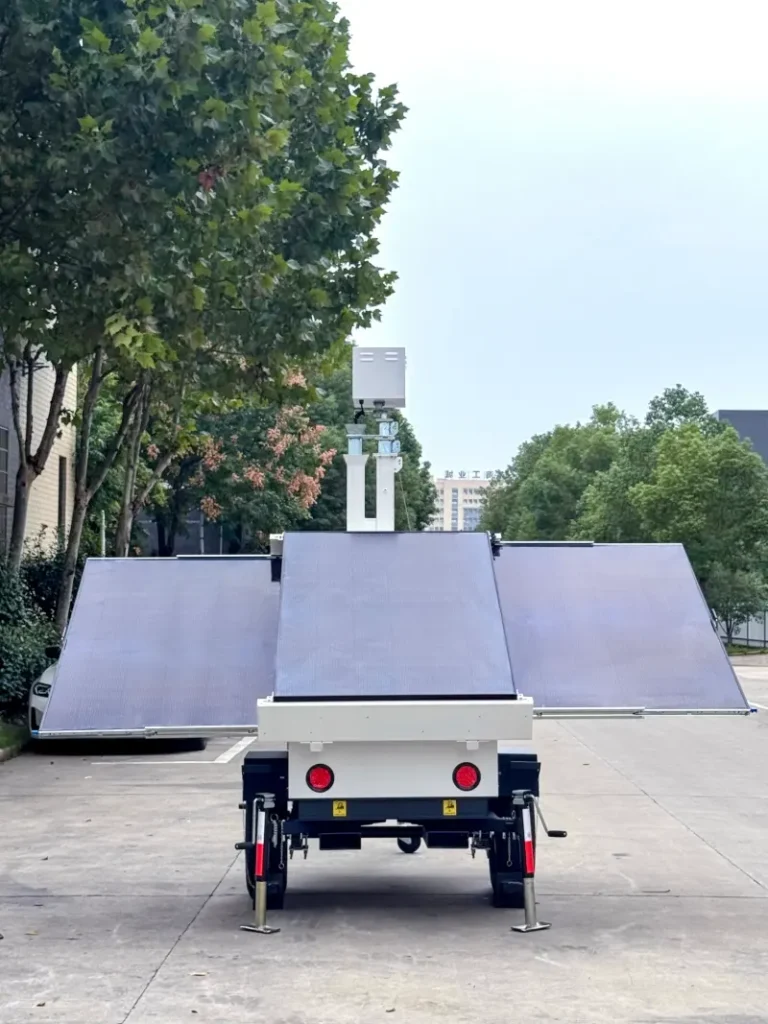
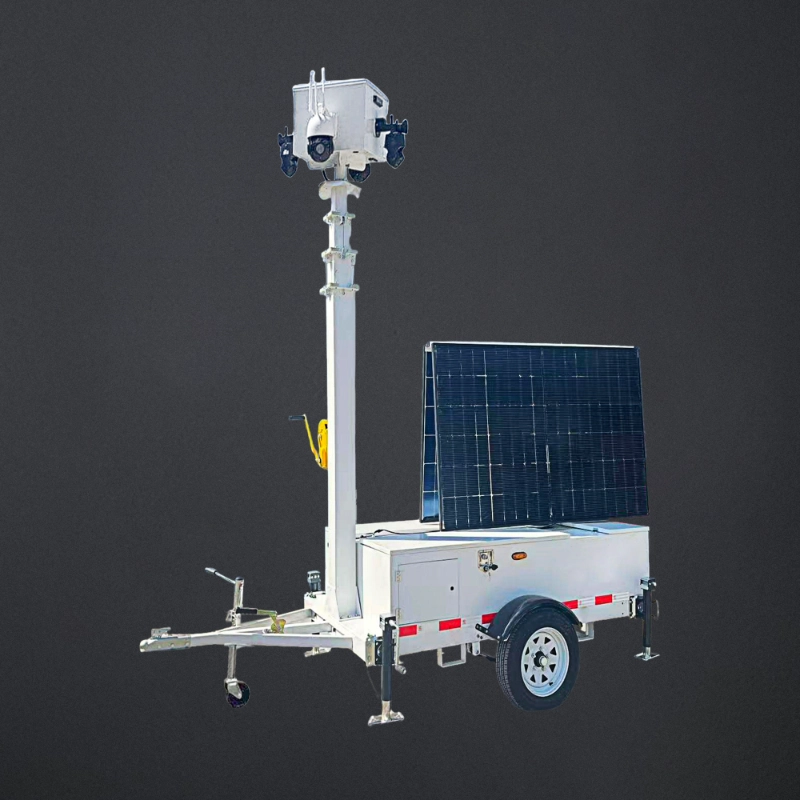
En Shleme, diseñamos nuestros remolques con cámara solar (como la serie SLT-SL400) específicamente para entornos donde no hay servicios públicos. Así es como solucionamos el problema de "Sin electricidad, sin wifi":
1. Autonomía energética
La clave de nuestro sistema es la fiabilidad. Nuestros remolques están equipados con paneles solares de silicio monocristalino de alta eficiencia que cargan un robusto banco de baterías de gel o de fosfato de hierro y litio (LFP).
Funcionamiento continuo: El sistema está diseñado para funcionar las 24 horas del día, los 7 días de la semana, almacenando suficiente energía durante el día para alimentar las cámaras, los enrutadores y las luces durante las largas noches.
Gestión inteligente: En caso de tiempo nublado prolongado, nuestros controladores inteligentes MPPT (seguimiento del punto de máxima potencia) optimizan cada vatio de energía para mantener los sistemas críticos en funcionamiento. No necesita transportar bidones de diésel al lugar de trabajo; el sol hace el trabajo por usted.
2. Conectividad 4G/LTE
No necesitas un cable de fibra óptica para ver tu sitio. Remolques con cámara solar Shleme Vienen integrados con enrutadores 4G/LTE o 5G de grado industrial.
Esto crea una red integrada instantánea alrededor del remolque. Transmite transmisiones de video de alta definición directamente a su plataforma en la nube o aplicación móvil. Ya sea que esté en la oficina central o en casa, puede obtener una vista en vivo de su sitio remoto sin latencia.
3. Despliegue rápido
El tiempo es oro. Instalar un sistema de cámaras con postes fijos puede llevar semanas de planificación y excavación. Un remolque solar Shleme se puede instalar en menos de 20 minutos.
Remolque: el remolque es legal para circular por carretera y puede ser remolcado por una camioneta estándar.
Configuración: Coloque el remolque, despliegue los estabilizadores y eleve el mástil retráctil de 7 m a 9 m.
Enciéndelo: con solo accionar un interruptor, tu sitio estará seguro.
A medida que tu proyecto avanza kilómetros por la carretera, la seguridad avanza con él. Simplemente enganche y listo.
Aplicaciones de remolques con cámara solar
Estamos viendo un cambio masivo hacia los remolques solares en varios sectores clave:
Construcción de carreteras y puentes: protección de equipos almacenados al costado de la carretera donde no hay acceso a energía.
Minería y petróleo/gas: Monitoreo de sitios de extracción remotos para detectar ingresos no autorizados o cumplimiento de las medidas de seguridad.
Eventos y festivales: Brindamos seguridad temporal para lugares al aire libre sin pasar cables peligrosos entre la multitud.
Alivio de desastres: Establecer rápidamente zonas de seguridad en áreas donde la red eléctrica ha sido dañada.
Conclusión
En 2026, la excusa de "aún no tenemos electricidad" ya no es válida para dejar una obra desprotegida. La tecnología se ha adaptado a la demanda.
Mediante la implementación de un Remolque con cámara solar de seguridad ShlemeEstá haciendo más que simplemente prevenir robos. Está garantizando la continuidad del proyecto. Está protegiendo su cronograma de los retrasos causados por el robo de equipos. Y lo está haciendo con una solución ecológica, silenciosa y autosuficiente.
¿Está listo para proteger su sitio remoto?
Shleme ofrece una gama de configuraciones, desde unidades compactas para espacios reducidos hasta remolques de alta resistencia para despliegues a largo plazo. Contáctenos para encontrar la especificación que mejor se adapte al terreno y presupuesto de su proyecto.